Peace centres
1,900+peacebuilders in 140+ countriesSince 2002 Rotary Peace Centers have trained peace professionals. Eight centres worldwide, up to 170 full fellowships a year. Alumni work in governments, the UN and peacekeeping missions.
Chicago, 1905. Four people decided that success should serve others. Today there are 1.2 million of them — and the world still lives with the consequences of that meeting.
The story beginsRotary never commanded armies or passed laws. Yet again and again it was Rotarians who moved the world: persuading governments, raising millions, carrying vaccines to places governments could not reach.
Here are eight moments when the Rotary movement changed history.
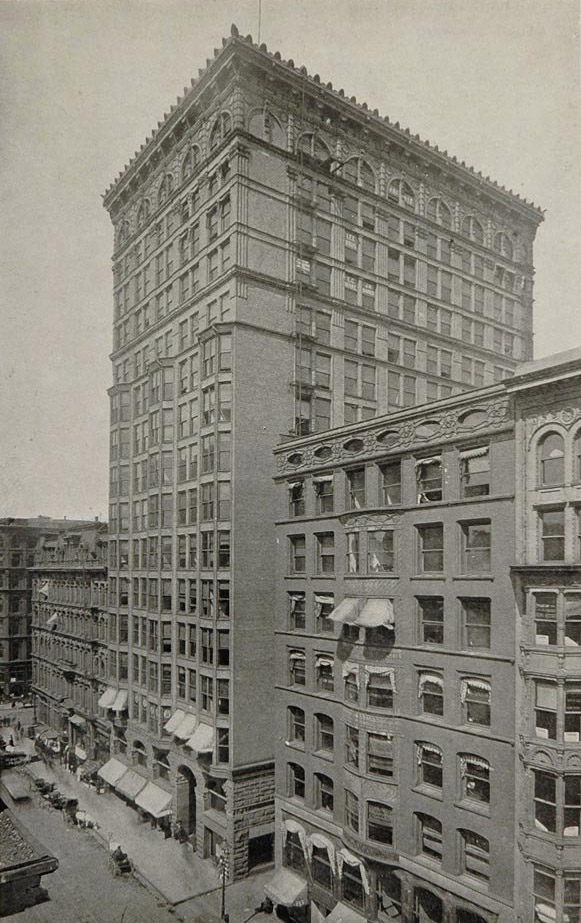
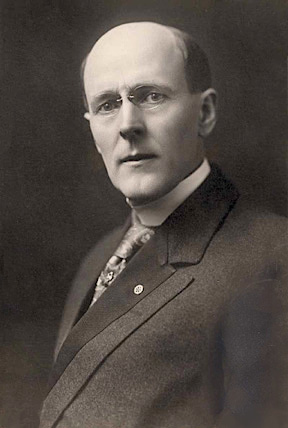
A winter evening, 23 February 1905. A young lawyer, Paul Harris, invites three acquaintances — a mining engineer, a coal dealer and a tailor — to an office in downtown Chicago. They have no plan to change the world. They simply agree: business can be honest, and success can serve people.
They decide to meet in each other's offices in turn — hence the name Rotary. Within two years the club wins the city its first public comfort stations. A small thing? For the Chicago of those years, a matter of dignity and health for thousands.
So a principle was born that still unites a million people: “Service Above Self”.
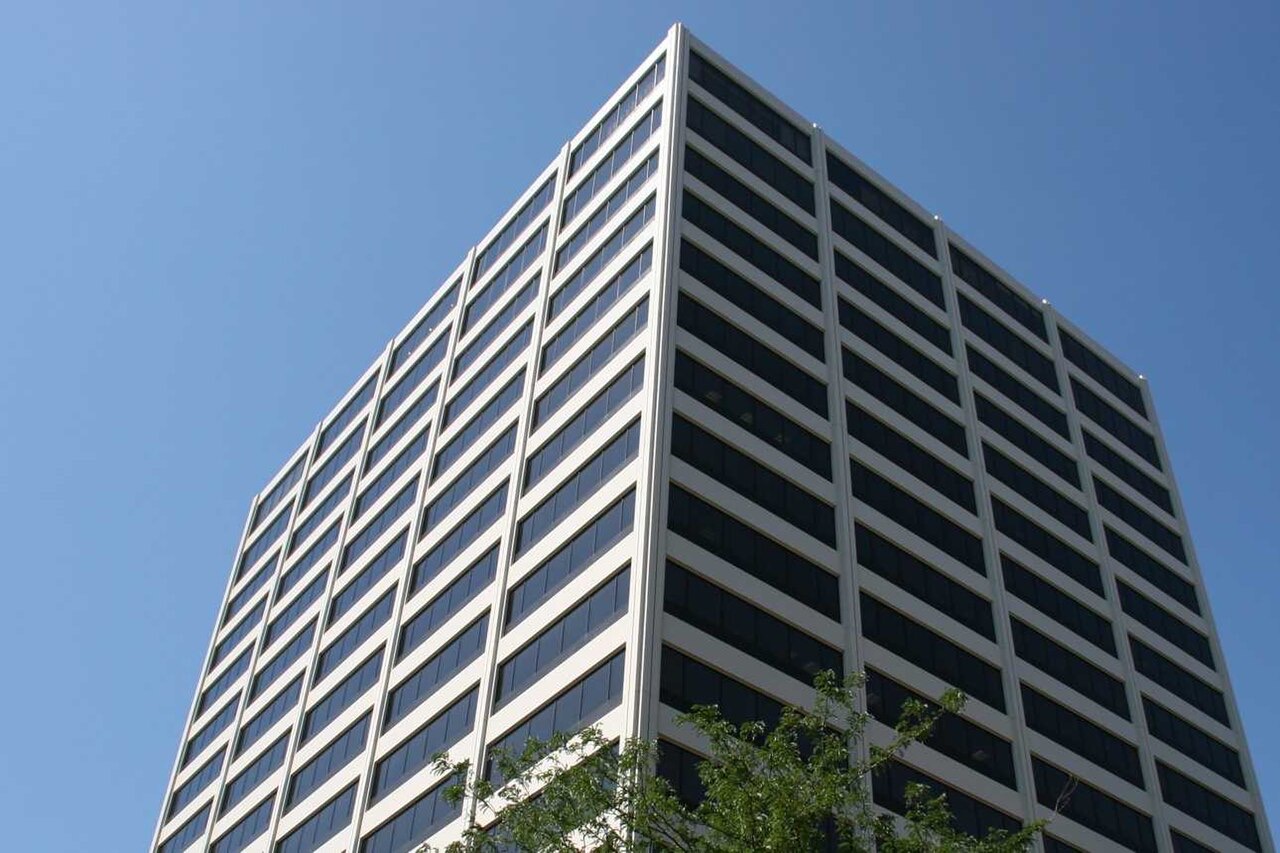
1917. The world is engulfed in the First World War. And it is then that Rotarian Arch Klumph proposes an endowment “for doing good in the world”. The first gift: $26.50.
Today The Rotary Foundation is one of the most powerful engines for good on the planet. In 2024–25 alone it funded 1,424 international projects worth $81 million — plus $151 million to end polio. Every project brings together clubs from different countries for the sake of one community.
1912 — Winnipeg and London. Then Dublin, Havana, Buenos Aires, Tokyo, Sydney, Johannesburg. In sixteen years the idea from a Chicago office spanned six continents.
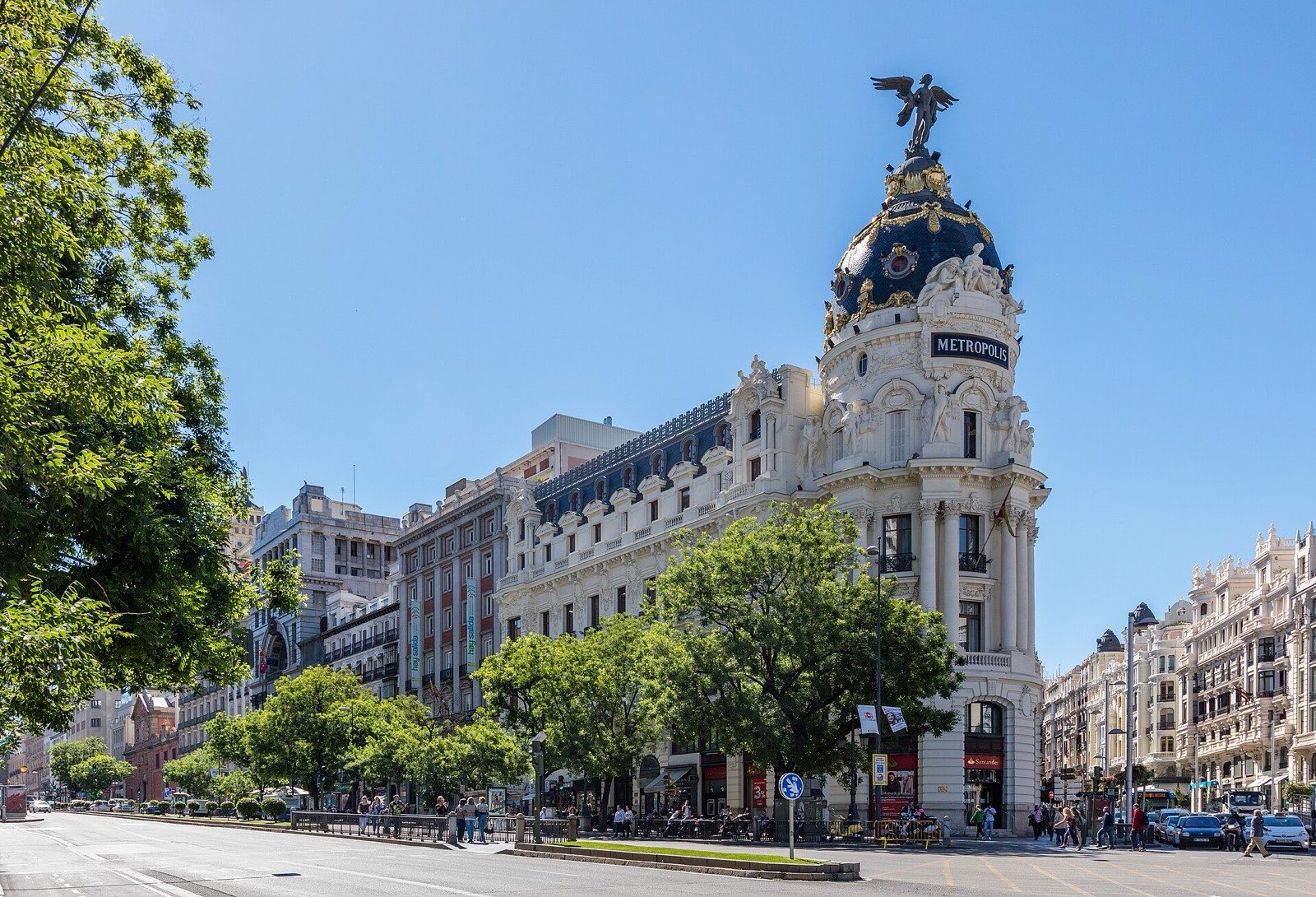
On 1 January 1921 a Rotary club is founded in Madrid — the first in continental Europe. That same year Rotarians write into their constitution the goal that will define the next century: peace and understanding between nations.
A hundred years later, our own story begins in Madrid.
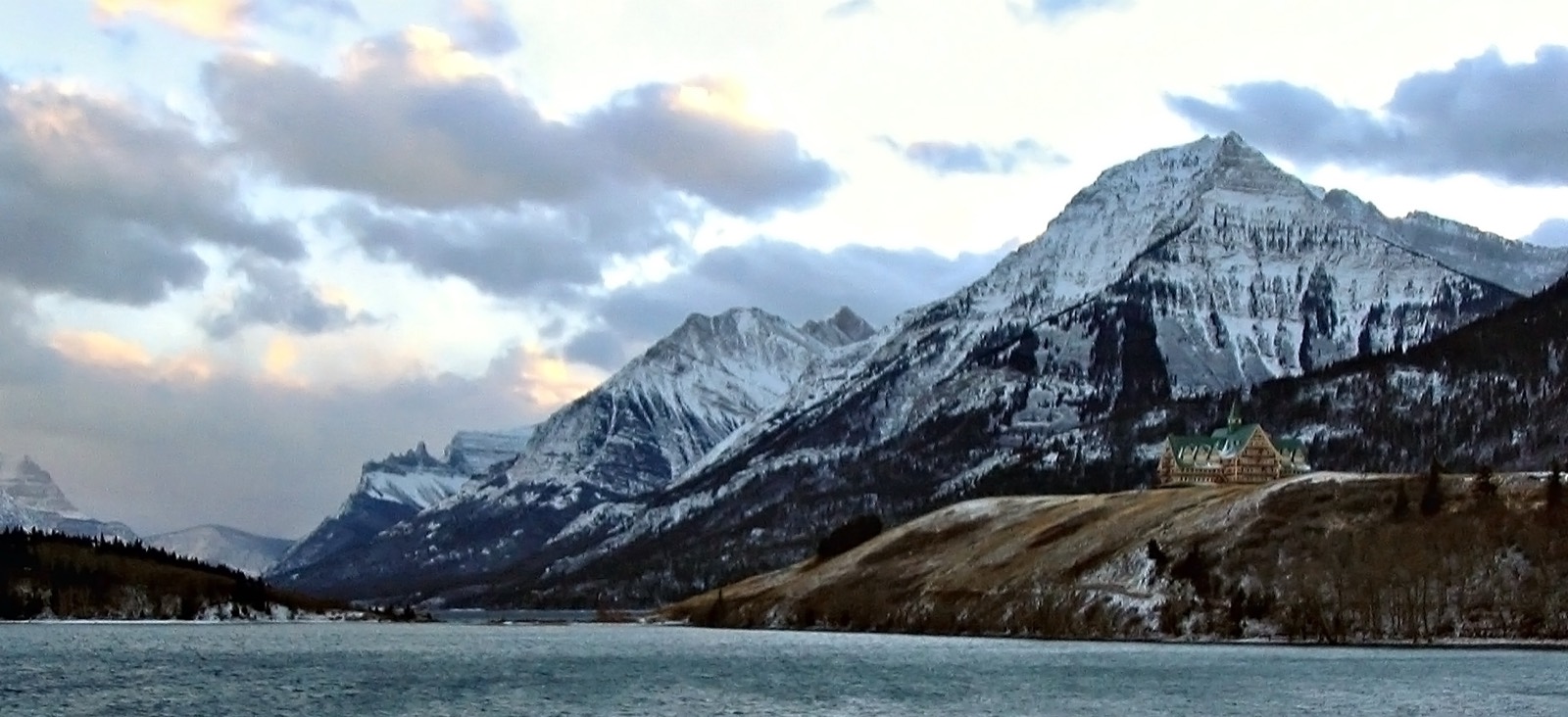
July 1931. Around a hundred Rotarians from Alberta in Canada and Montana in the U.S. gather at a hotel on the shore of a mountain lake. Their idea sounds almost naive: unite two national parks on either side of the border as a sign of lasting friendship between two peoples.
Ten months later U.S. President Herbert Hoover signs the law. Six weeks after that, Canada follows. And so Rotarians gave the world its first-ever international peace park. In 1995 UNESCO recognised it as heritage of all humanity.
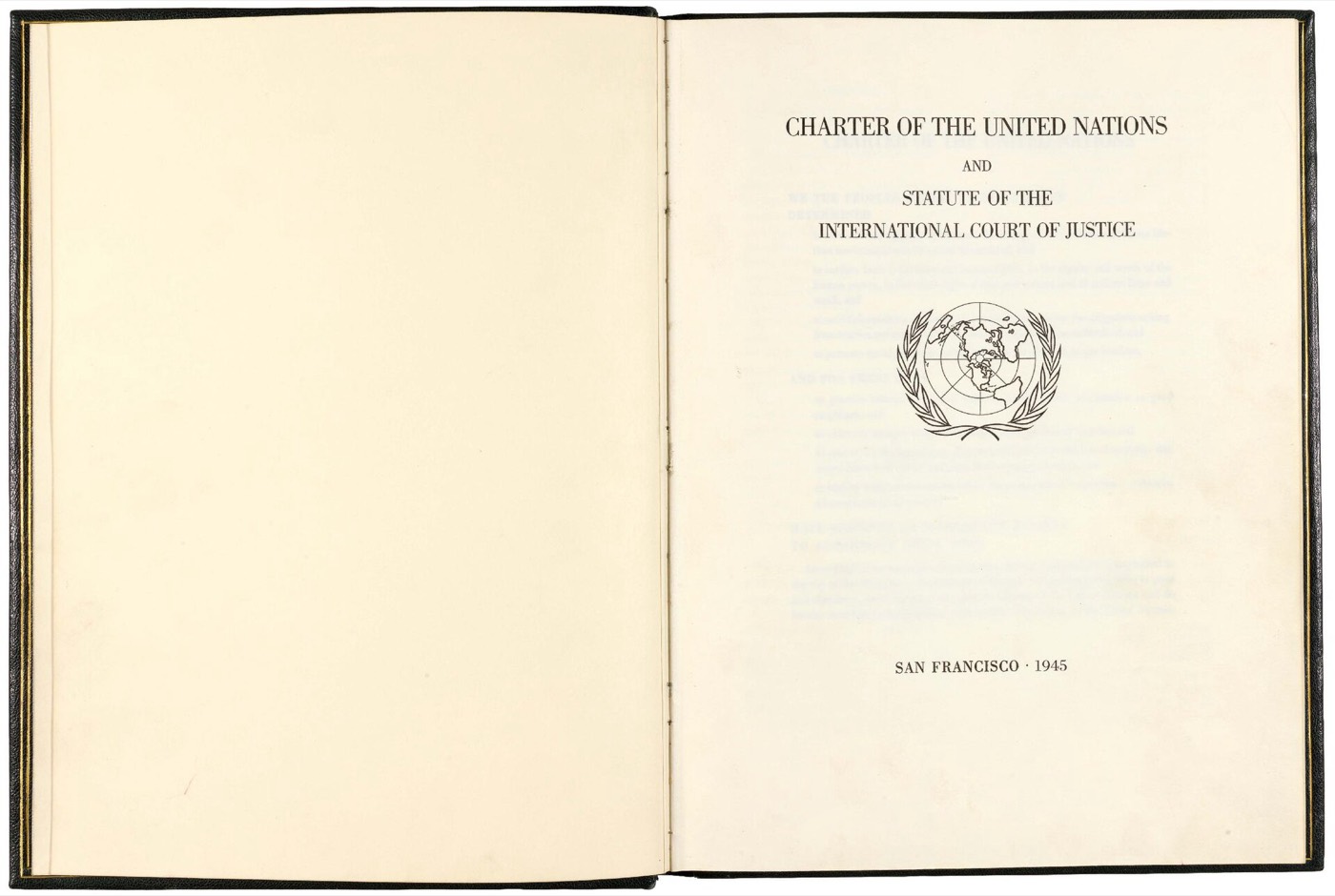
Spring 1945. The war is not over, yet in San Francisco the delegations of 50 nations are writing the rules of a new world. Rotary International is among only 42 civic organisations invited to advise the U.S. delegation.
Eleven Rotary representatives work at the conference, and many Rotarians sit at the negotiating table in their own countries' delegations. The idea Rotary wrote into its constitution back in 1921 — peace through understanding — now echoes across the whole planet.
Rotary was in the room where the world agreed never to go to war again.
1979, the Philippines. Rotarians set out to immunise six million children against polio. Six years later Rotary takes on a challenge that seemed impossible: freeing the entire planet from polio. Back then the disease crippled 350,000 children a year in 125 countries.
In 1988 Rotary becomes one of the four founders of the Global Polio Eradication Initiative, alongside WHO, UNICEF and CDC. Rotarians raise $2.9 billion, persuade governments, work with religious leaders — and stand in line with vaccines in their own hands.
Today cases are down by more than 99%. The wild virus survives in just two countries. More than 20 million people walk, run and hug their children — people the disease would have paralysed.
One last step remains. And Rotary will not stop until it is taken.
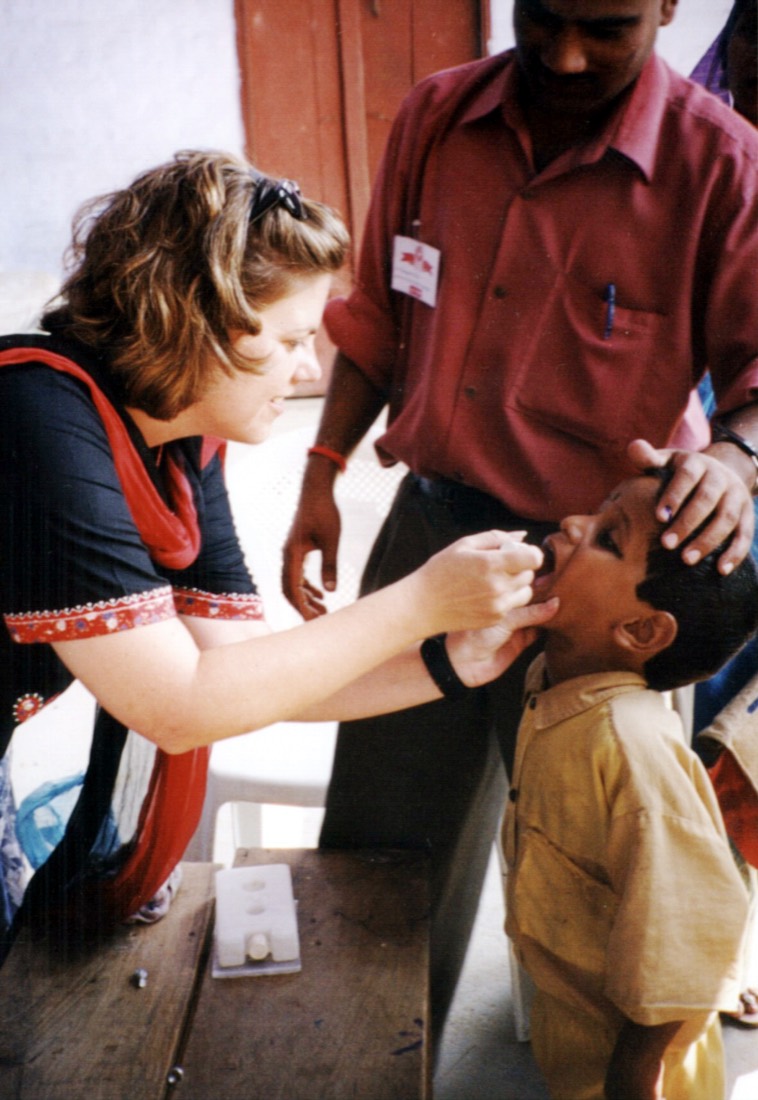
1988 · about 350,000 cases
Today · less than 1%
Rotary long ago went beyond charity. It builds the infrastructure of change: centres that train peacebuilders, networks of health workers, water systems, programmes for millions of young people.
Since 2002 Rotary Peace Centers have trained peace professionals. Eight centres worldwide, up to 170 full fellowships a year. Alumni work in governments, the UN and peacekeeping missions.
Wells, water systems and sanitation where there were none. With USAID, Rotarians gave basic sanitation to 123 schools in Ghana, among other results.
In Zambia Rotary, with the Gates Foundation, trained community health workers. Two years on, 94% are still working and carry out 42% of all malaria tests in ten districts.
Interact for teenagers, Rotaract for young adults, Youth Exchange, the RYLA leadership programme. For decades Rotary has raised those who will lead the world forward.
In the very first days of the full-scale invasion, Rotarians worldwide set up a network of aid — from Poland and Moldova to Ukrainian cities. Medicines, food and hygiene kits for refugees, water purification, winter clothing, modular housing.
The Rotary Foundation created a dedicated fund for Ukraine — over $17.4 million and 375 grants. Clubs passed on roughly another $65 million directly, by Rotary's estimate. 76 modular buildings went up, including in Moshchun near Kyiv.
This is how Rotary works: a club in one country, a specific community in another. It is how our club works too.
Monuments, memorials, peace centres and Rotary headquarters on every continent. Spin the planet, tap a point — and plan your route in Google Maps.
Each of these dates is another decision by Rotarians after which the world became a little better.
Paul Harris and three friends found Rotary.
Public comfort stations for Chicago — the start of community service.
The motto that will unite a million people is born.
Clubs in Winnipeg and London.
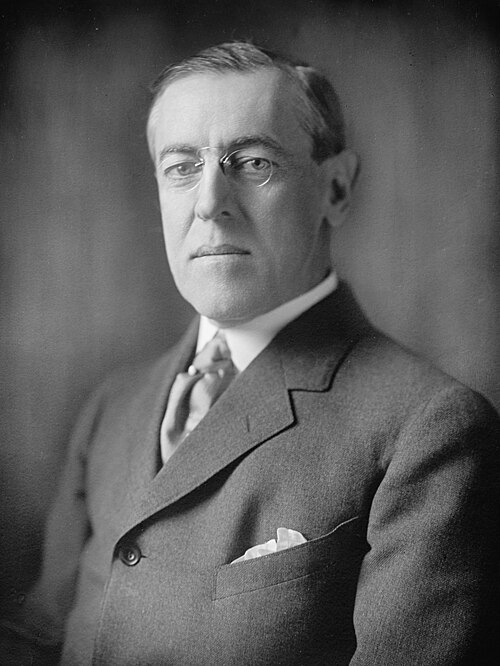
Woodrow Wilson accepts honorary life membership of the Birmingham Rotary Club.
$26.50 — the first gift to the future Rotary Foundation.
First club in continental Europe; peace between nations becomes Rotary's goal.
A Rotarian idea becomes the law of two nations.
An ethical code business still uses: Is it the truth? Is it fair to all?
Rotary among 42 organisations advising the U.S. delegation.
A programme that has since given 43,000+ people an education abroad.
The first club for teenagers.
Rotary for young leaders.
Every year thousands of students live with Rotarian families in other countries.
The start of the great fight against polio.
Rotary sets out to free the whole planet from polio.
Rotary among the four founders, with WHO, UNICEF and CDC.
Women join clubs around the world.
UNESCO inscribes Waterton–Glacier as World Heritage.
Rotary begins training professional peacebuilders.
A major partnership for clean water.
Rotary scales up the best solutions — first against malaria in Zambia.
$17.4M+ and 375 grants in response to the war.
A new generation of peacebuilders — in India.
Whatever Rotary may mean to us, to the world it will be known by the results it achieves.
Each of these stories began with a decision by a few people at one table. Our table is in Madrid and online. Take a seat.
Photos: Wikimedia Commons, public domain unless stated otherwise. Rotary International HQ: Punzunltd, CC BY 2.5. Edificio Metrópolis, Madrid: Diego Delso, CC BY-SA 4.0.